

- Powder Handling System
- Solvent Handling System
- Slurry Handling System
- Mixing System
- Coating System
- Calendering System
- Slitting System
- Automated Warehouse Management Systems and Solutions
- Industrial Automated Material Handling and Storage Systems
- RFID Solution for Warehouse and Inventory Management System
- Intelligent Central Control System
- Raw Material Handling System
- Kiln Sintering Device
- Energy Mill System
- Blending System
- Auto-Packing System
- Automated Warehouse Management Systems and Solutions
- Industrial Automated Material Handling and Storage Systems
- RFID Solution for Warehouse and Inventory Management System
- Intelligent Central Control System
Warning: Illegal string offset 'id' in /repo1/WebsiteBuildingSystem_v2024/librarys/Suco/View.php(276) : eval()'d code on line 477
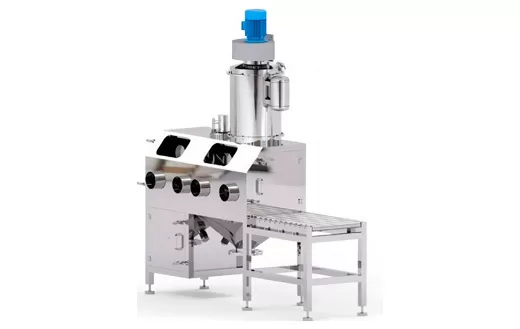
- Manually Small Bag Breaker
- Centralized Storage, Dust Removal, Iron Removal System of Powder
- Small Bag Automatic Suction Machine
- Automatic Suction System of Big Bag
- Automatic Small-Bag Unpacking Machine
- Automatic Big-Bag Unpacking Machine
- Normal Unpacking Type of Big Bag
- Viscous Material High Accuracy Weighing Soft Scale Hopper
- Double-layer Pipe Design
- Double-layer Pipe of Gravity Blanking
- Automatic Magnetic Filter
- Flash Drying+Rotary Kiln Roaster+Cooling Conveying System
- 6-Tube Nitrogen Roller Furnace
- Gas-Electric Hybrid Roller Kiln
- Six-Tube Double-Layer Double-Cavity Nitrogen Roller Furnace
- 4/6 Air and Oxygen Roller Furnace
- 4-Row Nitrogen Roller Furnace for Anode
- Laboratory Box Chamber Furnace
- Nitrogen Closed-Loop Pneumatic Conveying System
- Dilute Phase Pneumatic Conveying System
- Dense Phase Pneumatic Conveying
- Negative Pressure Pneumatic Conveying System
- Key Equipment for Pneumatic Conveying System
- Baked Food Raw Material Batching System
- Instant Noodle Raw Material Batching System
- Solid Beverage Raw Material Batching System
- API Raw Material Batching System
- Auxiliary Material Automatic Batching System
- Positive Pressure Dilute Phase Conveying
- Negative Pressure Dilute Phase Conveying
- Dense Phase of Rotary Valve
- Dense Phase of Blowing Tank
- Intelligent Adjustable Air Control Unit
- Silo
- Weighing and Batching Device
- Dust Removal and Impurity Removal System
- Automatic Small-Bag Unpacking Machine
- Automatic Big-Bag Unpacking Machine
- Normal Unpacking Type of Big Bag
- Automatic Suction System of Big Bag
- Small Bag Automatic Suction Machine
 English
  中文
中文
What are you looking for?